
Social connections How gambling shapes our relationships and community dynamics
The Psychological Pull of Gambling
Gambling has an undeniable psychological allure that draws individuals in, influencing their social connections and community interactions. The excitement surrounding games of chance, whether in a casino or online, is often rooted in the thrill of uncertainty and the possibility of winning big. This psychological pull can create a shared experience among gamblers, fostering connections as people congregate to partake in this adventure together. As players enjoy these thrilling moments, many find themselves drawn to online platforms like Tappy Bird casino, which enhance the community experience even further.

Moreover, gambling environments are designed to be immersive, using psychological tricks to enhance the experience. Bright lights, captivating sounds, and the lure of jackpots are crafted to keep players engaged and returning for more. This sensory stimulation can intensify relationships, as individuals find camaraderie with others who share their enthusiasm for the game. However, the psychological dependence on these environments can lead to complex dynamics in personal relationships, where gambling may become a wedge or a bond.
Understanding how gambling impacts our social behavior is essential in addressing potential issues. Relationships can shift dramatically when gambling becomes compulsive, leading to conflict among friends and family. As individuals prioritize gambling over personal connections, they may find themselves isolated, further exacerbating their reliance on gambling as a social outlet. Recognizing these patterns can help individuals navigate their relationships more effectively.
Gambling and Community Cohesion
At a broader level, gambling can influence community dynamics, sometimes serving as a focal point for social interaction. Casinos and gambling establishments often act as gathering spots, promoting a sense of belonging among patrons. These venues can foster community spirit, particularly in areas where gambling is a significant part of the local economy. Through events and promotions, communities can come together, reinforcing their social bonds through shared experiences.
However, this cohesion can be a double-edged sword. While gambling can unite communities, it can also introduce social challenges. Increased gambling activity can lead to higher rates of addiction and related problems, impacting families and community well-being. The potential for economic gain must be balanced with the potential for social strain, as these venues can become places where issues such as poverty and crime are exacerbated, affecting the overall dynamics of the community.
Ultimately, the role of gambling in shaping community cohesion is a complex interplay of positive and negative factors. While it can foster connections and a sense of belonging, the implications of gambling must be carefully considered to ensure that communities thrive. Communities may benefit from initiatives that promote responsible gambling and support those who may be adversely affected.
The Role of Shared Experiences
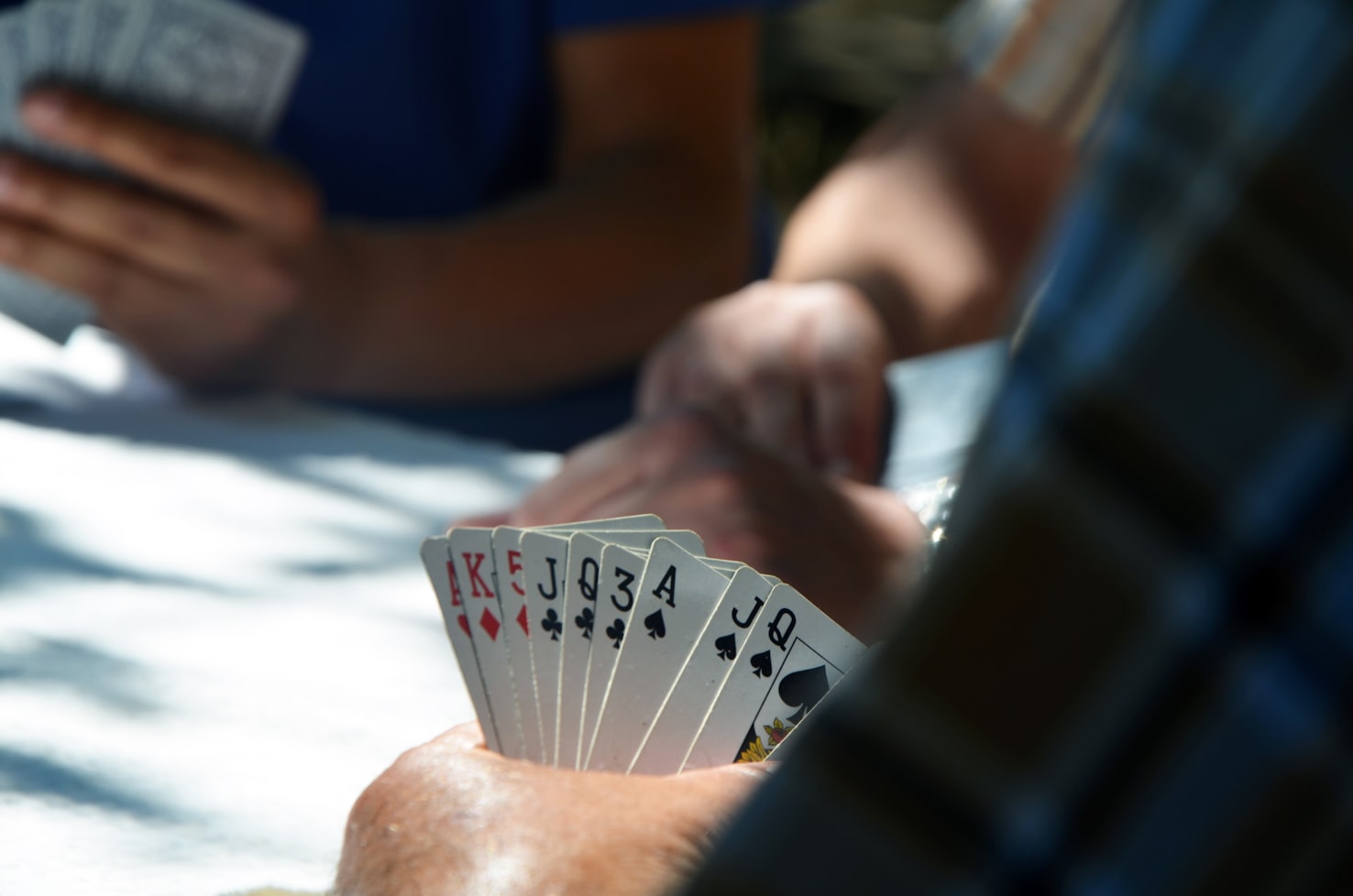
Shared experiences in gambling settings can lead to stronger social ties among participants. When individuals engage in gambling together, they create lasting memories, whether from celebrating wins or coping with losses. These shared moments can strengthen bonds, providing a common ground for conversations and interactions long after the gambling session has ended. Friendships often flourish in these environments, as people rally around the excitement of the game.
Additionally, the nature of gambling facilitates storytelling, allowing individuals to connect through their personal experiences. Discussing strategies, recounting memorable moments, or sharing advice about gaming can enhance social interactions and create deeper connections. Such dialogues foster an environment of trust and understanding, which can transcend the gambling context and lead to meaningful relationships.
However, these relationships can become complicated if gambling addiction enters the picture. What starts as a shared experience can morph into a source of tension if one party’s behavior shifts toward compulsive gambling. Friends and family members may feel compelled to intervene, creating friction in otherwise supportive relationships. Acknowledging the dual nature of these shared experiences is crucial for maintaining healthy connections.
Gambling’s Impact on Relationships
The impact of gambling on personal relationships can be profound and multi-dimensional. While some individuals may find shared excitement in gambling, others may experience stress and strain due to financial losses or time spent apart. This dichotomy can lead to misunderstandings and resentment if partners or friends feel neglected or overshadowed by gambling pursuits. Open communication is vital in navigating these challenges and ensuring that relationships remain intact.
Moreover, the cycle of winning and losing can influence how individuals perceive their relationships. A big win might bring people closer, as they celebrate together, but the aftermath of a loss can create feelings of isolation or blame. This fluctuation can cause emotional turmoil within relationships, particularly when financial resources are involved. Understanding how these dynamics operate is crucial for fostering healthy interactions amid the challenges gambling can bring.
Many couples and families seek therapy to address the impact of gambling on their relationships. Professional support can help open lines of communication, allowing individuals to express their feelings and concerns without judgment. By examining the underlying issues related to gambling, families can begin to rebuild trust and connection, ensuring that relationships are strengthened rather than fractured by the gambling experience.
The Responsible Gambling Movement
As awareness of the impact of gambling on relationships grows, the responsible gambling movement has gained traction. This initiative focuses on educating individuals about the potential risks and consequences of gambling, promoting a balanced approach to gaming. By understanding the signs of problematic gambling behavior, individuals can make informed decisions that protect their relationships and community dynamics.
Programs designed to promote responsible gambling emphasize the importance of moderation and self-control. Encouraging open conversations about gambling behaviors within families can strengthen relationships and help prevent the negative effects of compulsive gambling. Community engagement plays a vital role in this movement, as local organizations work together to provide resources and support for those affected by gambling.
Ultimately, the responsible gambling movement seeks to create a safer gambling environment, benefiting individuals and communities alike. By fostering awareness and promoting healthy behaviors, we can ensure that the thrill of gambling does not come at the expense of meaningful relationships. This holistic approach can pave the way for healthier community dynamics, supporting connections that are resilient and enduring.
Conclusion and Website Overview
Understanding the intricate relationship between gambling and social connections is vital as it shapes our relationships and community dynamics. While gambling can serve as a bonding experience, it can also lead to significant challenges that affect personal and communal well-being. The key lies in recognizing these dynamics and actively promoting responsible behaviors that prioritize healthy relationships.
Moreover, the responsible gambling movement emphasizes the need for community support and resources to foster awareness about gambling-related issues. By engaging in open dialogue and prioritizing responsible gaming practices, individuals and communities can enjoy the benefits of gambling without succumbing to its potential pitfalls. As our understanding of these dynamics deepens, we can work toward creating healthier communities where connections thrive and gambling remains a source of enjoyment rather than a source of conflict.